

Buser Expands Marketplace with 15 000+ New Bus Routes and Partner Networks Across Brazil represents a significant development in the country’s intercity mobility ecosystem, highlighting how digital platforms are reshaping traditional transportation models. Buser has announced the expansion of its marketplace through the addition of more than 15 000 new bus routes, supported by an extended network of partner operators across multiple regions of Brazil. This expansion reflects Buser’s strategic focus on increasing route density, improving regional connectivity, and strengthening its role as a marketplace that aggregates supply from diverse bus operators. As demand for flexible, affordable, and digitally enabled travel options continues to rise, Buser is scaling its marketplace infrastructure to meet evolving passenger expectations. The expansion also signals Buser’s confidence in sustained demand for intercity bus travel, particularly as travelers seek alternatives that balance cost efficiency with convenience. By expanding routes and partnerships simultaneously, Buser is reinforcing its marketplace model while supporting broader access to intercity transportation across Brazil’s urban and regional corridors.
Buser Strengthens National Connectivity Through Expanded Bus Route Coverage
Buser strengthens national connectivity through expanded bus route coverage by significantly increasing the number of available travel options across Brazil. The addition of over 15 000 new bus routes enables Buser to connect more cities, towns, and regional hubs within its digital marketplace. Buser’s expanded coverage supports travelers seeking direct and indirect routes that were previously underserved or unavailable through traditional booking channels. By aggregating routes from multiple partner operators, Buser enhances route diversity while maintaining centralized access through its platform. This approach allows Buser to address regional mobility gaps and improve travel continuity between metropolitan centers and smaller destinations. The expanded route coverage reflects Buser’s strategy of scaling breadth before depth, ensuring that geographic accessibility keeps pace with user growth. As connectivity improves, Buser reinforces its position as a facilitator of nationwide intercity travel.
Buser Expands Partner Networks to Support Marketplace Scalability

Buser expands partner networks to support marketplace scalability by onboarding additional bus operators into its ecosystem. The growth of Buser’s partner base allows the platform to increase supply capacity while maintaining flexibility across routes and schedules. Buser’s marketplace model relies on collaboration with regional and national operators, enabling shared access to demand generated through the platform. By expanding partner networks, Buser enhances operational resilience and reduces dependency on limited providers. This network growth also allows Buser to offer varied service levels and travel options across different price points. The expansion of partnerships reflects Buser’s focus on ecosystem development rather than vertical integration. Through a broader partner network, Buser strengthens its ability to scale efficiently while supporting operator participation across Brazil.
Buser Enhances Route Diversity to Address Regional Travel Demand
Buser enhances route diversity to address regional travel demand by incorporating routes that reflect localized mobility patterns. The newly added routes span multiple regions, supporting travel needs shaped by economic activity, tourism, and commuter movement. Buser’s expanded marketplace enables better alignment between route availability and actual passenger demand. By leveraging data insights, Buser identifies opportunities to introduce routes that improve frequency and coverage. This diversity benefits travelers seeking alternatives to limited or inflexible schedules. Buser’s approach also supports regional development by improving access to transportation options. The emphasis on route diversity demonstrates Buser’s commitment to adapting its marketplace to Brazil’s varied geographic and demographic landscape.
Buser Scales Digital Marketplace Infrastructure to Manage Route Expansion
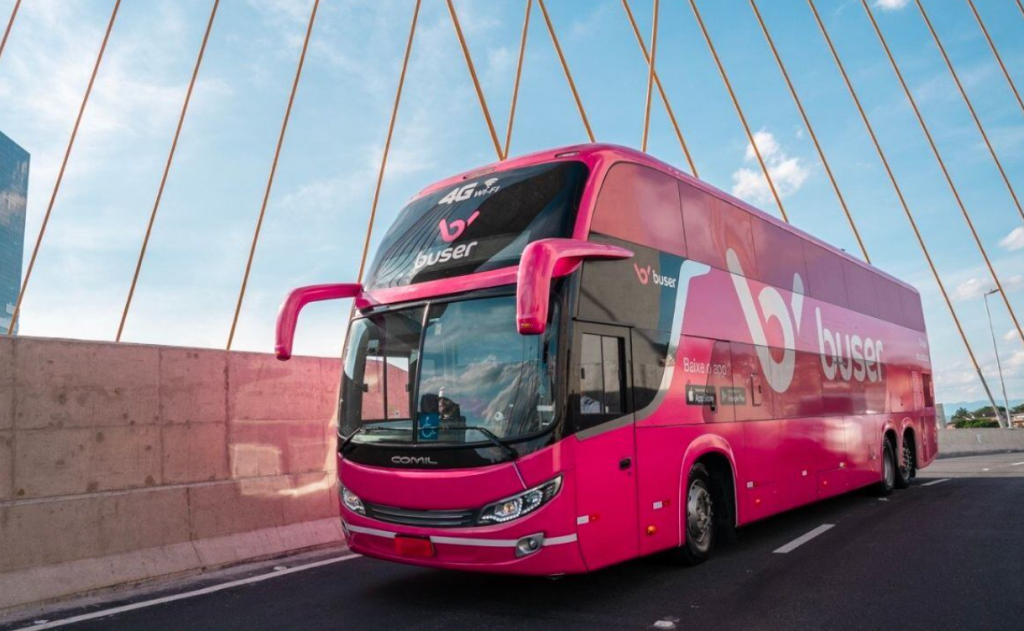
Buser scales digital marketplace infrastructure to manage route expansion by reinforcing platform capabilities that support higher volumes of listings and transactions. The addition of thousands of routes requires robust backend systems to ensure accurate availability, pricing, and scheduling information. Buser’s technology infrastructure supports seamless integration of partner data while maintaining a consistent user experience. By investing in platform scalability, Buser ensures that marketplace growth does not compromise reliability or performance. This infrastructure-focused approach allows Buser to handle increased demand during peak travel periods. As the marketplace expands, Buser’s digital foundation supports efficient coordination between passengers and operators. The scalability of Buser’s platform underpins its ability to sustain long-term route growth.
Buser Improves Regional Access to Intercity Transportation Options
Buser improves regional access to intercity transportation options by extending marketplace availability beyond major urban corridors. The expanded routes include connections that serve smaller cities and emerging travel hubs. Buser’s presence in these regions supports more inclusive mobility by offering alternatives where traditional services may be limited. By consolidating access through a digital platform, Buser simplifies route discovery and booking for regional travelers. This improved access contributes to greater travel flexibility and planning efficiency. Buser’s regional expansion reflects an understanding of Brazil’s diverse mobility needs. Through broader access, Buser strengthens its relevance across varied travel segments.
Buser Aligns Marketplace Growth with Evolving Travel Behavior

Buser aligns marketplace growth with evolving travel behavior by responding to shifts in how passengers plan and purchase intercity travel. Digital booking, flexible scheduling, and transparent pricing have become increasingly important to travelers. Buser’s expanded marketplace addresses these expectations by offering a wider selection of routes and operators in one platform. The growth strategy reflects Buser’s focus on convenience and choice rather than standardized offerings. By aligning route expansion with user preferences, Buser enhances marketplace engagement and utilization. This alignment supports sustained growth as travel behavior continues to evolve. Buser’s responsiveness to changing patterns reinforces its marketplace relevance.
Buser Positions Expanded Marketplace as Foundation for Long-Term Growth
Buser positions expanded marketplace as foundation for long-term growth by establishing scale across routes and partner networks. The addition of over 15 000 routes provides a strong base for future enhancements in service offerings and platform features. Buser’s expanded marketplace supports ongoing optimization of routes, schedules, and partnerships. By focusing on scale and network effects, Buser strengthens competitive positioning within Brazil’s intercity travel sector. The marketplace expansion also enables Buser to adapt to future demand shifts without structural limitations. This foundation supports continued innovation and operational flexibility. Through strategic expansion, Buser reinforces its long-term role in Brazil’s transportation marketplace.
Leave feedback about this