
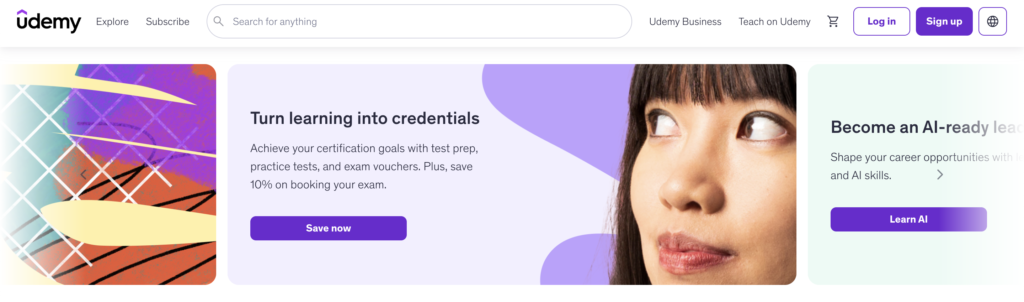
If you are looking to learn a new skill, improve your CV, or switch careers in 2025, online learning platforms can be a convenient alternative to traditional education. Udemy is one of the most recognisable names in this space, offering thousands of courses across technology, business, marketing, design, personal development, finance, and many other subjects.
But with so many online learning options available today, is Udemy actually worth using in 2025?
In this Udemy review, we’ll look at the platform’s courses, certificates, pricing, learning experience, career benefits, advantages and disadvantages, and whether it offers enough value for students, professionals, and career changers.
What Is Udemy?
Udemy is an online learning marketplace where instructors publish courses covering a wide range of subjects. Unlike a traditional university or college, Udemy allows learners to choose individual courses based on their specific interests and goals.
The platform is particularly useful for people who want to learn practical skills without committing to a lengthy academic programme.
You can find courses covering areas such as:
- Web development
- Programming
- Artificial intelligence
- Data science
- Cybersecurity
- Digital marketing
- Business management
- Graphic design
- Photography
- Microsoft Office
- Personal development
- Project management
- Finance and accounting
- Languages
One of Udemy biggest strengths is the sheer variety of topics available. Whether you want to learn a professional skill or simply explore a personal interest, there is a good chance you will find a relevant course.
Is Udemy Worth It in 2025?
For most people, Udemy can be worth it in 2025, particularly if your goal is to learn practical skills at your own pace.
However, its value depends heavily on what you expect from the platform.
If you want affordable access to courses taught by experienced professionals, Udemy can be an excellent resource. The platform gives learners the flexibility to study whenever they have time, making it suitable for students and working professionals.
The biggest limitation is that completing a Udemy course does not automatically translate into a recognised professional qualification.
This distinction is important.
Udemy is primarily a skills-learning platform, rather than an accredited university or professional certification body. Therefore, learners should view its certificates as evidence of completed learning rather than equivalent to a formal degree or industry certification.
Udemy Courses: What Can You Learn?
One of the main reasons people choose Udemy is its extensive course catalogue.
Courses can range from short introductory lessons to comprehensive programmes containing many hours of video content, downloadable resources, exercises, quizzes and practical projects.
The quality can vary because Udemy operates as a marketplace with courses created by different instructors.
This means one course can be extremely detailed and professionally produced, while another may feel outdated or lack depth.
Before enrolling, it is worth checking:
- Course ratings
- Number of students enrolled
- Recent student reviews
- Instructor background
- Course update date
- Curriculum and individual lessons
- Preview videos
- Included exercises or projects
- Whether the course matches your current skill level
This approach can help you avoid choosing a course simply because it has an attractive title.
Udemy Certificates: Are They Valuable?
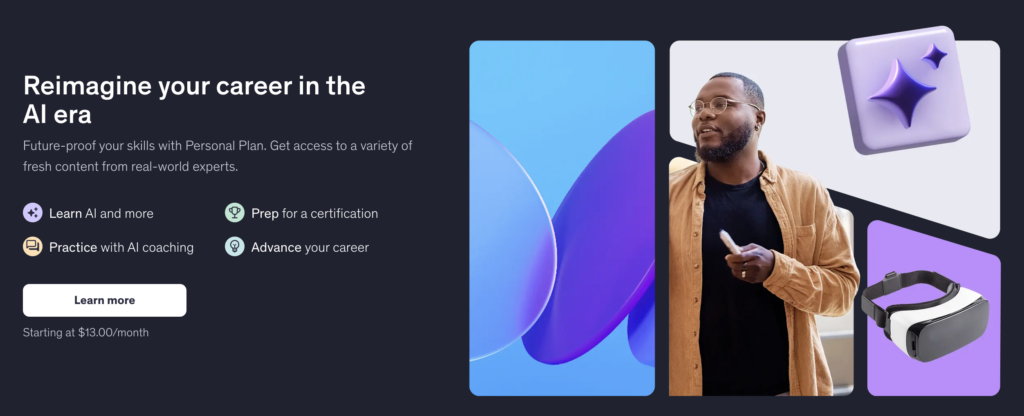
Certificates are one of the most common reasons people ask whether Udemy is worth it.
After completing an eligible Udemy course, learners can receive a certificate of completion. It can demonstrate that you completed the course and studied the subject matter.
However, it is important to understand what a Udemy certificate does—and does not—represent.
A Udemy certificate generally isn’t the same as an accredited academic qualification or an industry-recognised certification.
For example, completing a Udemy course in programming can show an employer that you invested time in learning programming. However, the certificate alone doesn’t prove that you can build professional software.
This is why the practical skills you gain from a course are often more valuable than the certificate itself.
Can You Put a Udemy Certificate on Your CV?
Yes, you can include relevant Udemy courses on your CV, particularly when they demonstrate skills that are directly related to the position you are applying for.
Instead of simply listing dozens of certificates, focus on courses that support your professional profile.
For example:
Professional Development
You can also mention relevant courses on your LinkedIn profile or portfolio.
The key is to connect the course to something practical you’ve actually learned or built.
Do Udemy Certificates Help With Jobs?
They can help, but expectations should be realistic.
A Udemy certificate is unlikely to be enough by itself to secure a job. Employers generally care more about your ability to demonstrate useful skills, relevant experience, projects and problem-solving ability.
For example, if you complete a web development course, creating a working website afterwards can be considerably more persuasive than simply displaying your certificate.
Similarly, someone studying data analysis could create a portfolio containing data projects, reports or dashboards.
The strongest combination is therefore:
Course → Skill → Project → Portfolio → Career opportunity
Udemy can be particularly useful at the first two stages.
Career Benefits of Udemy
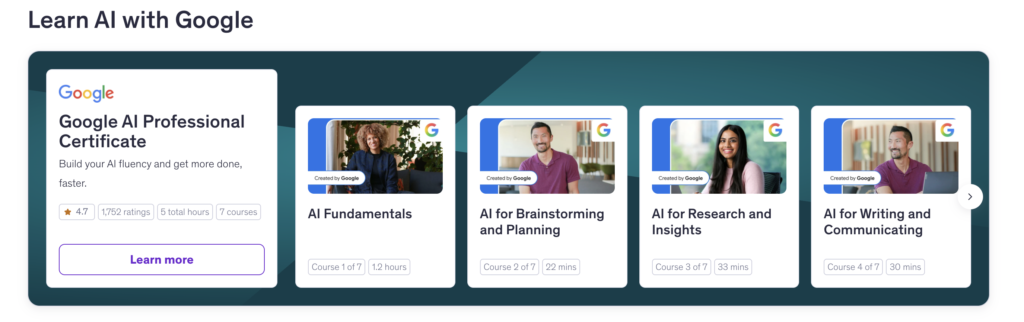
Although Udemy certificates aren’t equivalent to formal degrees or professional licences, the platform can still provide meaningful career benefits.
1. Learn Job-Relevant Skills
Many courses focus on practical skills that are directly applicable to modern workplaces.
For example, learners can study programming languages, AI tools, Excel, project management, SEO, digital marketing and other skills that can complement existing experience.
2. Upskill Without Returning to University
Career development doesn’t always require another degree.
If you already work in marketing, for example, you could use Udemy to learn analytics, SEO, paid advertising or AI-powered marketing tools.
This makes the platform useful for professionals who want to expand their existing skill set.
3. Support a Career Change
Udemy can also be useful when exploring a new career.
Instead of immediately spending significant amounts of money on formal education, you can take introductory courses to determine whether you actually enjoy a particular subject.
Someone considering a career in coding, for instance, could take a beginner programming course before deciding whether to pursue more advanced training.
4. Build a Portfolio
The best Udemy courses don’t just provide information—they can give you knowledge that you can apply to practical projects.
Building projects based on what you’ve learned can help create a portfolio that demonstrates your abilities to potential employers or clients.
5. Learn at Your Own Pace
Udemy self-paced structure is particularly convenient for people with full-time jobs, family commitments or unpredictable schedules.
You can study when it suits you rather than attending scheduled classes.
Who Should Use Udemy?
Udemy is particularly suitable for:
- Students looking to develop additional skills
- Working professionals
- Freelancers
- Entrepreneurs
- Career changers
- People learning technology and software
- Anyone interested in personal development
- Professionals preparing for new responsibilities
It can also be useful for people who simply want to test a new subject before committing to a more expensive educational programme.
Who Might Not Benefit From Udemy?
Udemy may not be the best choice if you specifically need an accredited academic qualification or a regulated professional certification.
For careers where formal credentials are essential, you should investigate recognised universities, colleges or official certification providers instead.
Likewise, if you struggle with self-directed learning, a structured classroom or instructor-led programme may provide more accountability..
Final Verdict: Is Udemy Worth It?
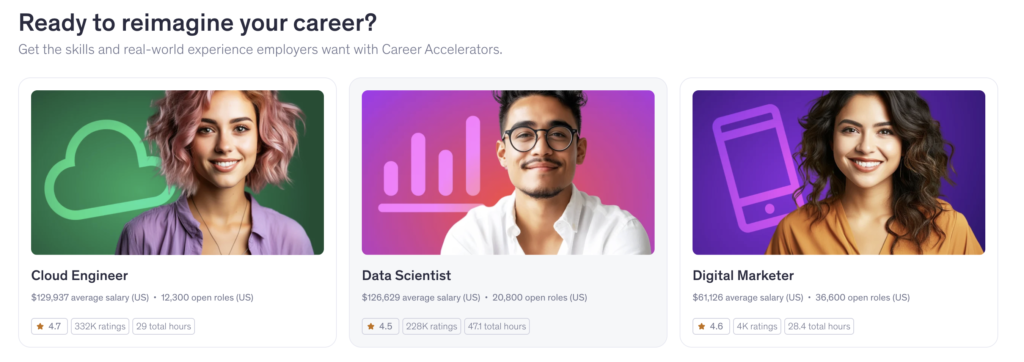
Yes—Udemy is worth considering your primary goal is affordable, flexible and practical learning.
Its biggest advantage isn’t necessarily the certificate you receive at the end of a course. The real value comes from what you can learn and apply.
For career development, a Udemy certificate can complement your CV, but it shouldn’t be treated as a replacement for formal qualifications or recognised industry certifications.
If you use Udemy strategically—choosing well-reviewed, current courses and applying what you learn through real projects—the platform can become a useful part of your professional development.
Leave feedback about this